



If you’ve ever sat through another NEPA outage watching your generator eat fuel money, you’ve probably already asked yourself: is a solar inverter worth it? For most Nigerian homes and businesses today, the answer is yes — and this guide walks you through everything you need to know before you buy one.
We’ll cover what a solar inverter actually does, the different types available in the Nigerian market, how to size one correctly for your home, realistic pricing, and the mistakes that trip up most first-time buyers. By the end, you’ll know exactly what to look for — and if you’d rather skip the research and just get it installed, our team handles the full process from sizing to setup.
What Is a Solar Inverter?

A solar inverter is the device that converts DC (direct current) electricity from your solar panels into AC (alternating current) — the type of power your fridge, TV, and air conditioner actually use. In a full home solar system, the inverter is the brain of the operation: it manages how power flows between your solar panels, your battery bank, and the grid, and it’s usually the single most important component to get right.
This is different from a basic power inverter, which only converts stored battery power to AC and has no way of managing solar input. If your goal is to reduce or eliminate your generator use, you want a solar inverter or hybrid inverter, not a basic UPS-style unit.
Types of Solar Inverters (and Which Nigerian Homes Need Which)
Not all solar inverters are built the same way, and picking the wrong type is one of the most common (and expensive) mistakes we see. Here’s how the three main types compare, and which one actually fits your situation.
1. Pure Sine Wave Inverters
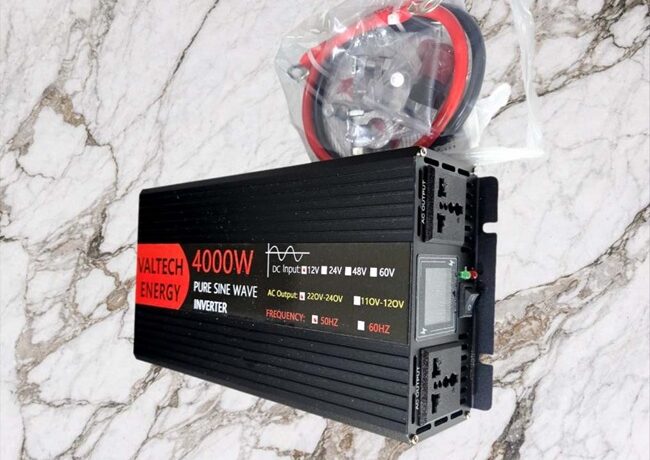
Pure sine wave inverters produce clean, stable power identical to what you get from the national grid. This matters more than most people realize: sensitive electronics, refrigerator compressors, and modern appliances with digital displays can be damaged or run poorly on the “rough” power a modified sine wave inverter puts out. For anything beyond basic lighting and fans, pure sine wave is the standard we recommend and install.
2. Modified Sine Wave Inverters

Modified sine wave inverters are cheaper upfront but produce a lower-quality output. They can handle very basic loads, but we generally steer clients away from them for whole-home use in 2026. The price difference between modified and pure sine wave is small compared to the appliance damage risk over time, so the short-term saving rarely pays off.
3. Hybrid Inverters

Hybrid inverters are the most common choice in Nigeria today because they do three jobs in one unit: managing solar panel input, charging and discharging your battery bank, and switching to grid or generator power automatically when needed. If you’re building a system that needs to work seamlessly with NEPA and reduce generator dependence, a hybrid inverter is almost always the right call.
How to Size a Solar Inverter for Your Home
Sizing is where most DIY solar purchases go wrong — buy too small and your system trips under load; buy too large and you’ve overspent. The right size depends on:
- Your total load — add up the wattage of everything you want to run simultaneously (fridge, TV, fans, AC units, pumps)
- Starting (surge) wattage — some appliances, especially AC units and pumps, need 2–3x their running wattage just to start up
- Backup duration — how many hours you need the system to run without sun or grid input
- Future expansion — sizing slightly above your current needs saves you from replacing the whole system later
As a rough guide for the Nigerian market: a small apartment with lights, fans, and a TV can often run on a 3–5kVA system, while a 3-bedroom flat with a fridge, AC units, and pumping needs typically requires 5–10kVA. Commercial and industrial setups scale well beyond that. Because getting this wrong is expensive, we’d recommend running your numbers through our free solar calculator before you buy — it estimates your ideal system size in minutes, and Gold Weather offers a free site survey and load calculation as part of every installation quote too.
Solar Inverter Pricing in Nigeria
Prices vary widely based on capacity, brand, and whether the battery bank is included. As a general range in 2026:
- Small hybrid inverters (3–5kVA): entry-level pricing, suited to apartments and small homes
- Mid-range hybrid inverters (5–10kVA): the most common choice for family homes, mid-range pricing
- Large/commercial inverters (10kVA+): higher investment, but built for businesses and larger properties
Battery type has a major impact on total system cost — we cover the main options and how they compare below. For an accurate quote based on your specific home or business, request a quote from Gold Weather and we’ll size and price a system for your exact load.
Types of Solar Batteries in Nigeria
Your inverter is only half the system — the battery bank determines how long it backs you up, how much maintenance it needs, and how well it holds up in Nigeria’s heat. Here are the four main types on the market.
1. Tubular Batteries

Tubular batteries are the most widely used battery type in Nigeria, largely because they’re affordable, easy to find, and hold up reasonably well when properly maintained. They’re a flooded lead-acid design, which means they need periodic topping up with distilled water and proper ventilation. They’re a solid budget option, but they have a shorter lifespan and lower usable capacity than sealed or lithium alternatives.
2. AGM (Absorbent Glass Mat) Batteries

AGM batteries are sealed and maintenance-free, which makes them a popular step up from tubular for people who don’t want to deal with topping up electrolyte. They charge faster than tubular batteries and handle higher current draws better, which matters if you’re running air conditioners or pumps. They typically last 3–7 years depending on usage and discharge habits.
3. Gel Batteries
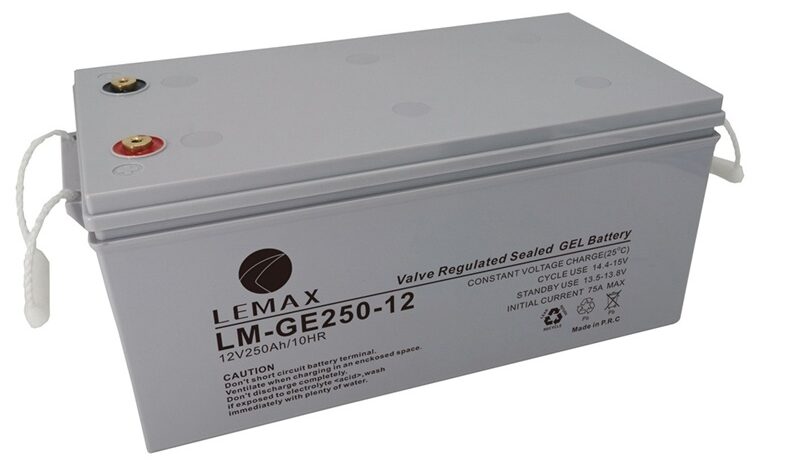
Gel batteries are also sealed lead-acid, but use a gel electrolyte instead of a glass mat. They tend to perform better in high heat and in setups where the battery stays mostly charged, which suits some commercial installations. They’re generally a bit more expensive than AGM and charge more slowly, but the added heat resistance is valuable in Nigeria’s climate.
4. Lithium (LiFePO4) Batteries

Lithium iron phosphate batteries are the most advanced option available and what we recommend for most installations today. They cost more upfront, but last significantly longer — often 10+ years and thousands of charge cycles compared to a few hundred for lead-acid types. They also allow much deeper discharge without damage, need no maintenance, and hold up well in high heat with proper thermal management. Over the life of a system, lithium frequently works out cheaper than lead-acid once you account for replacement costs.
Choosing between these comes down to budget, how deep your outages typically run, and how much maintenance you’re willing to do. We work with trusted suppliers to source all four types and can recommend the right fit once we know your load and budget.
Common Installation Mistakes to Avoid
Most of the expensive problems we get called out to fix trace back to one of five mistakes made at installation. Here’s what to watch for.
1. Under sizing the Inverter
Buying a smaller unit to save money upfront is the single most common mistake — the system trips or shuts down under normal daily use, and you end up paying for a resize anyway.
2. Skipping a Proper Load Assessment
Guessing at capacity instead of calculating your actual load (including surge wattage) almost always leads to a mismatched system, either underpowered or needlessly expensive.
3. Using Unqualified Installers
Poor wiring and grounding is one of the leading causes of inverter failure and fire risk in Nigeria. A cheaper installer isn’t a saving if the job has to be redone.
4. Ignoring Battery Compatibility
Not every inverter pairs well with every battery chemistry. Mismatches between inverter and battery type shorten battery life and can void warranties.
5. Skipping a Maintenance Plan
Even a well-installed system needs periodic checks, especially in Nigeria’s heat and dust. Skipping maintenance is how small issues turn into full component failures.
A professionally installed system avoids all five of these from day one. Gold Weather’s installation team handles the load assessment, correct sizing, wiring, and ongoing support so you’re not troubleshooting a costly mistake six months in.
Solar Inverters vs Generators: Which Makes More Sense?
Generators have a lower upfront cost but carry ongoing fuel, noise, fumes, and maintenance costs that add up fast — especially with Nigeria’s fluctuating fuel prices. Solar inverter systems cost more initially but running costs drop dramatically once installed, and they run silently with zero fumes. For most households experiencing regular outages, the break-even point against generator fuel costs typically arrives faster than people expect.
Frequently Asked Questions
How Long Do Solar Inverters Last in Nigeria’s Climate?
With proper installation and ventilation, a quality hybrid inverter typically lasts 8–12+ years, though this depends on heat exposure, dust, and maintenance.
Can I Install a Solar Inverter Myself?
Basic units can technically be self-installed, but incorrect wiring is a genuine safety and fire risk, and DIY sizing mistakes are expensive to fix later. We’d always recommend a professional install for anything beyond a small backup unit.
Do Solar Inverters Work During a Total Power Outage?
Yes — that’s their main advantage over grid-tied-only systems. A properly configured hybrid inverter with battery storage keeps your home powered independent of NEPA.
What’s the Difference Between an Inverter and a Full Solar System?
The inverter is one component. A full system also includes solar panels, a battery bank, cabling, and a charge controller (often built into the hybrid inverter itself).
Ready to Get Started?
Whether you’re powering a home, a shop, or a full commercial property, the right solar inverter setup comes down to accurate sizing and quality installation — not just picking the biggest unit you can afford. Gold Weather offers solar inverter installation in Nigeria, covering everything from your free site survey to final setup and after-install support across Lagos and Ibadan.
Explore related guides: Best Inverter Size for a 3-Bedroom Flat • Inverter vs Generator Cost Comparison • Pure Sine Wave vs Modified Sine Wave • Lithium vs Tubular Batteries Compared